Blog
Seasonal Hair Fall: When Should You Worry? Causes & Treatment

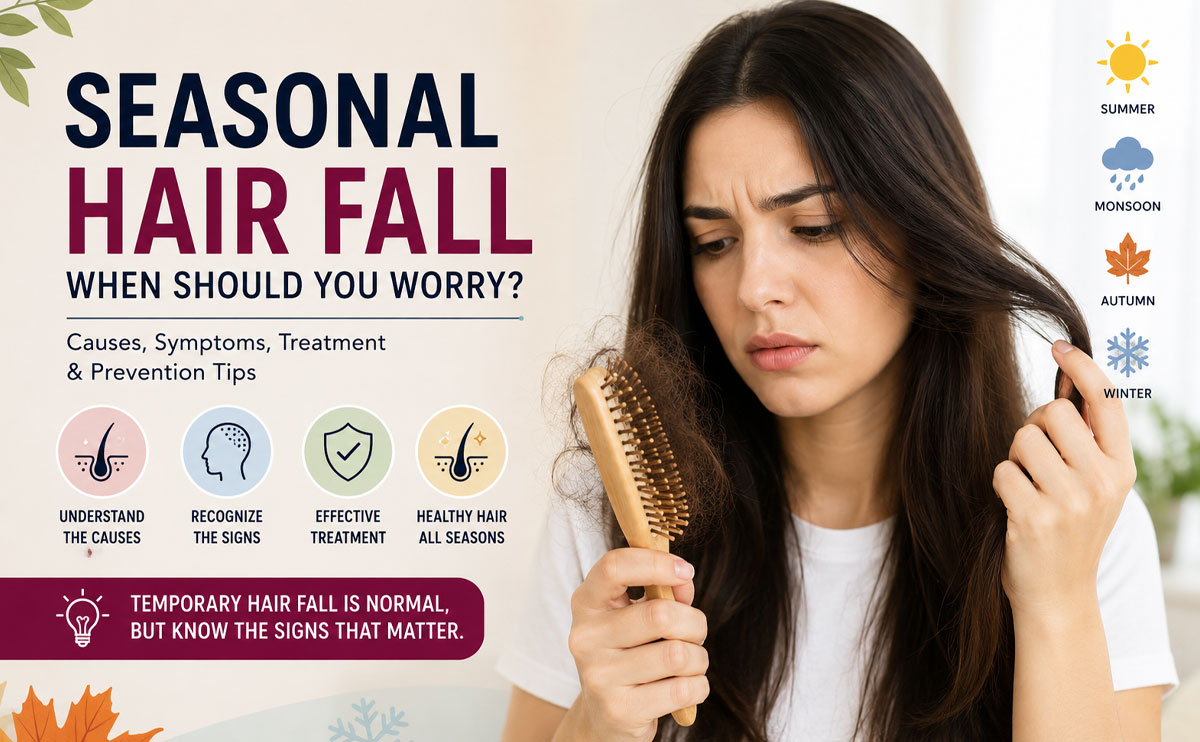
Seasonal Hair Fall: When Should You Worry? Causes, Symptoms & Treatment
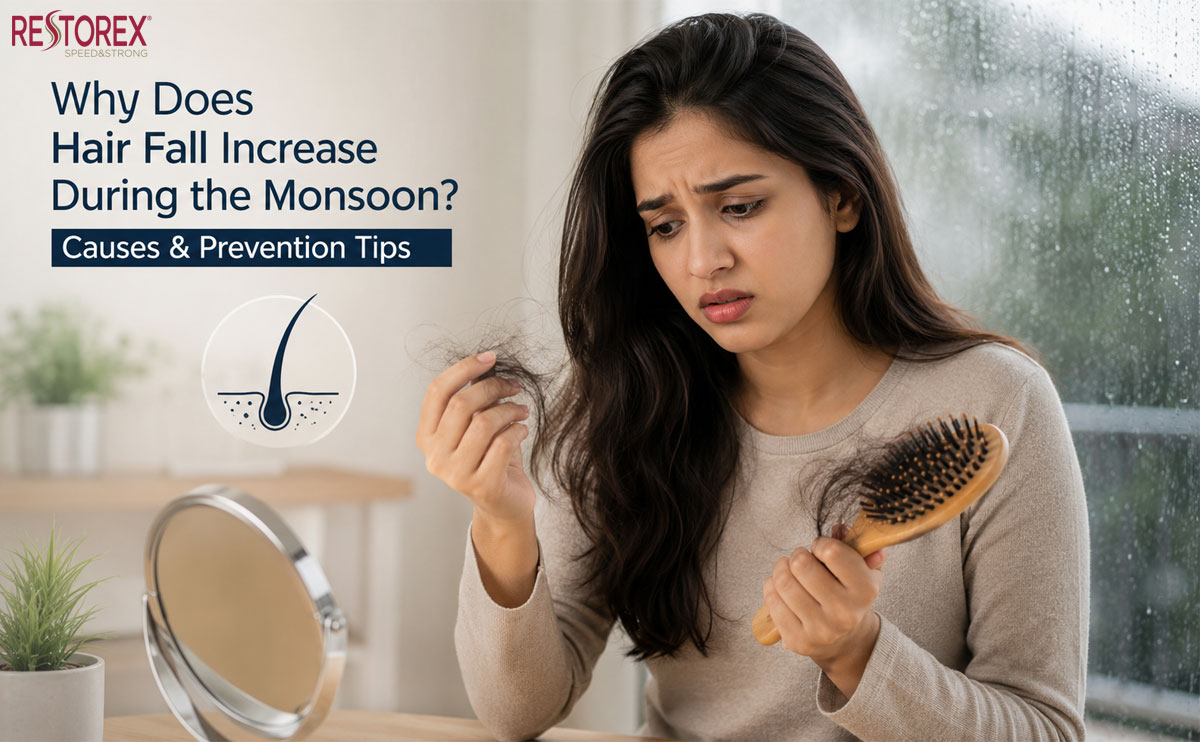
Have you noticed more hair strands on your pillow, shower drain, or hairbrush during certain times of the year? If so, you’re not alone. Seasonal hair fall is a common concern that affects both men and women. Many people experience temporary hair shedding during changes in weather, especially in autumn, winter, or the monsoon season.
The good news is that seasonal hair fall is usually temporary and does not always indicate a serious health problem. However, if your hair loss becomes excessive, lasts for several months, or is accompanied by thinning patches or scalp irritation, it may be a sign of an underlying condition that requires professional attention.
In this guide, you’ll learn what seasonal hair fall is, why it happens, how to reduce it naturally, and when it’s time to seek medical advice.
What Is Seasonal Hair Fall?
Seasonal hair fall refers to the temporary increase in hair shedding that occurs during certain seasons due to environmental changes, humidity, temperature fluctuations, and changes in the hair growth cycle.
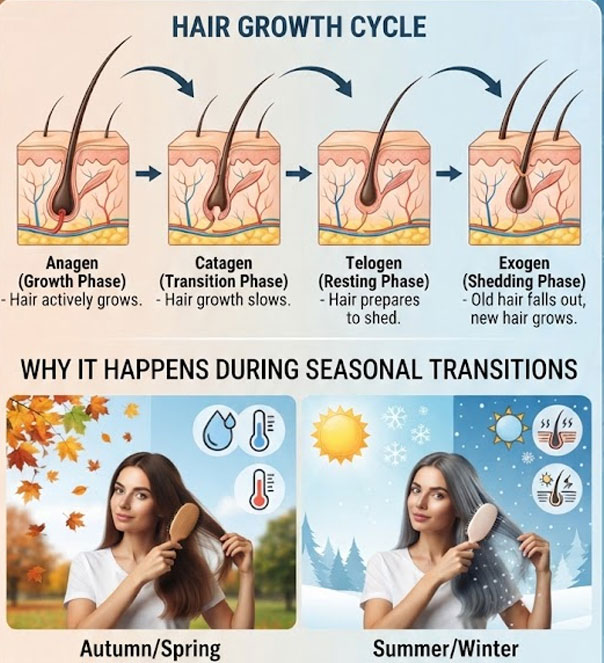
Hair naturally grows in cycles:
- Anagen (Growth Phase): Hair actively grows.
- Catagen (Transition Phase): Hair growth slows.
- Telogen (Resting Phase): Hair prepares to shed.
- Exogen (Shedding Phase): Old hair falls out, allowing new hair to grow.
During seasonal transitions, more hairs may enter the shedding phase at the same time, leading to noticeable but temporary hair loss.
Is Seasonal Hair Fall Normal?
Yes. Losing 50 to 100 hairs per day is considered normal. During seasonal changes, this number may increase slightly because more hair follicles enter the resting phase.
In most cases, seasonal hair fall lasts between 6 and 8 weeks, after which new hair begins to grow naturally.
If your hair returns to its normal thickness after a few weeks, there is usually no cause for concern.
Why Does Seasonal Hair Fall Happen?
Several factors contribute to seasonal hair shedding.
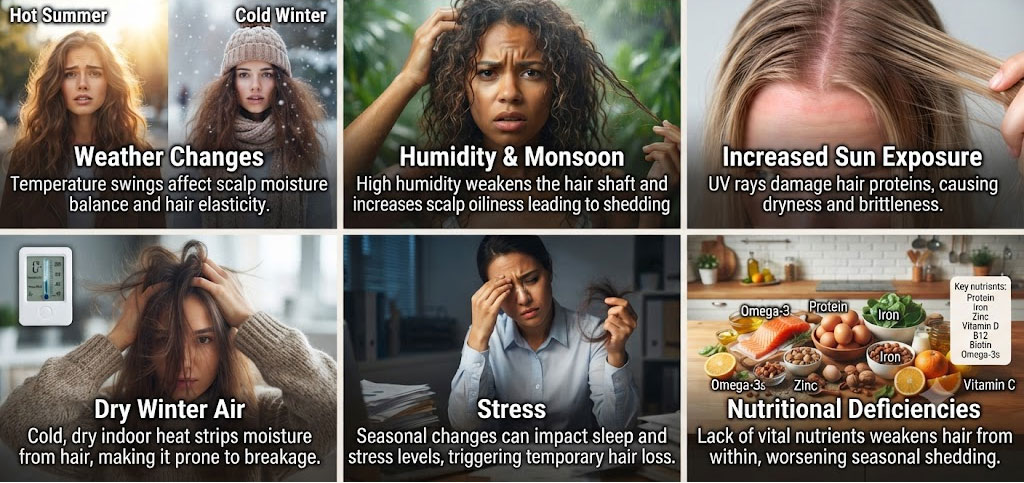
1. Weather Changes
Sudden changes in temperature can affect the scalp and hair follicles.
Hot summers may dry out the scalp, while cold winters reduce moisture levels, making hair brittle and prone to breakage.
2. Humidity and Monsoon
High humidity can weaken the hair shaft and increase scalp oil production, leading to hair fall and dandruff.
3. Increased Sun Exposure
Excessive UV exposure may damage hair proteins, causing dryness, split ends, and increased shedding.
4. Dry Winter Air
Cold weather removes moisture from both the scalp and hair, making strands fragile and easier to break.
5. Stress
Seasonal changes can affect sleep patterns, mood, and stress levels, all of which may contribute to temporary hair loss.
6. Nutritional Deficiencies
A lack of essential nutrients can worsen seasonal hair shedding.
Important nutrients include:
- Protein
- Iron
- Zinc
- Vitamin D
- Vitamin B12
- Biotin
- Omega-3 fatty acids
Which Season Causes the Most Hair Fall?
Hair shedding can occur throughout the year, but some seasons may have a greater impact.
Summer
- Sun damage
- Sweat buildup
- Dehydration
- Dry scalp

Monsoon
- High humidity
- Scalp infections
- Increased dandruff
- Weak hair roots

Autumn
Many people notice the highest level of seasonal shedding during autumn due to changes in the hair growth cycle.
Winter
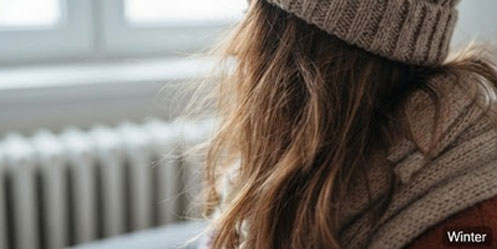
Cold air and indoor heating reduce scalp moisture, leading to dry, brittle hair and increased breakage.
Seasonal Hair Fall vs Permanent Hair Loss
Understanding the difference is important.
| Seasonal Hair Fall | Permanent Hair Loss |
|---|---|
| Temporary | Long-lasting |
| Hair grows back naturally | Hair thinning continues |
| No bald patches | Bald spots may appear |
| Lasts a few weeks | Lasts several months or longer |
| Even hair shedding | Patterned thinning |
When Should You Worry About Seasonal Hair Fall?
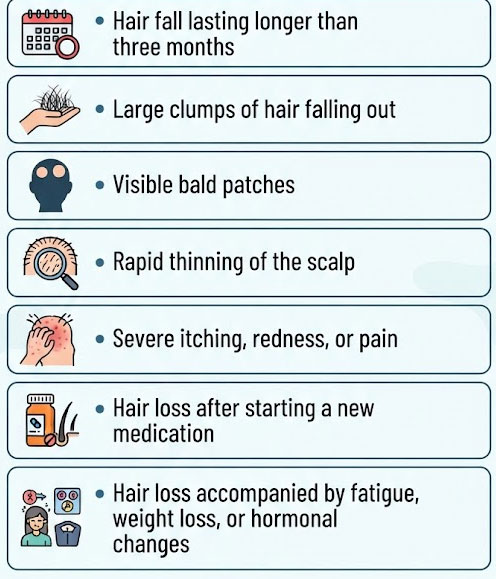
Although seasonal hair shedding is normal, consult a healthcare professional or dermatologist if you notice:
- Hair fall lasting longer than three months
- Large clumps of hair falling out
- Visible bald patches
- Rapid thinning of the scalp
- Severe itching, redness, or pain
- Hair loss after starting a new medication
- Hair loss accompanied by fatigue, weight loss, or hormonal changes
Early diagnosis can help identify conditions such as thyroid disorders, iron deficiency, alopecia, or scalp infections.
How to Reduce Seasonal Hair Fall Naturally
You can support healthy hair with simple daily habits.
Eat a Balanced Diet
Include foods rich in:
- Eggs
- Fish
- Lean meat
- Beans
- Spinach
- Nuts
- Seeds
- Fresh fruits
These provide protein, iron, vitamins, and healthy fats that support hair growth.
Stay Hydrated
Drink enough water each day to keep your scalp and hair hydrated.
Wash Hair Gently
Use a mild shampoo that cleanses the scalp without stripping away natural oils.
Avoid washing with very hot water.
Use Conditioner
A good conditioner helps reduce dryness, frizz, and breakage while improving hair manageability.
Massage Your Scalp
A gentle scalp massage for 5–10 minutes several times a week may improve blood circulation and support healthy hair growth.
Avoid Heat Styling
Frequent use of hair dryers, straighteners, and curling irons can weaken hair and increase breakage.
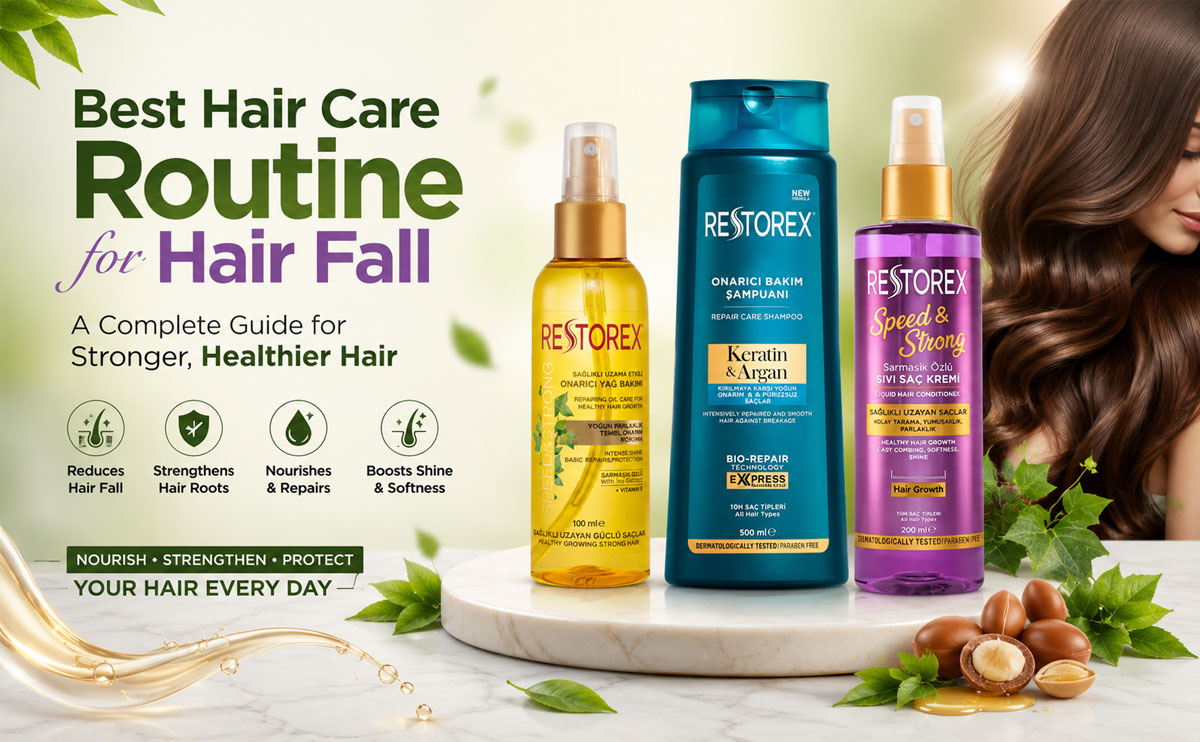
Best Hair Care Routine During Seasonal Hair Fall
A simple routine can help protect your hair during seasonal changes:
- Wash hair with a gentle shampoo 2–3 times a week.
- Apply conditioner after every wash.
- Use nourishing hair oil once or twice weekly.
- Avoid tight hairstyles.
- Protect hair from excessive sun exposure.
- Eat a nutrient-rich diet.
- Get adequate sleep and manage stress.
Choosing the Right Hair Care Products
When selecting hair care products during seasonal hair fall:
- Choose shampoos designed for your hair type.
- Use conditioners to reduce dryness and breakage.
- Look for ingredients such as keratin, collagen, biotin, or argan oil that help support healthy-looking hair.
- Avoid harsh products that may irritate the scalp.
FAQ
Is seasonal hair fall normal?
Yes. Mild hair shedding during seasonal changes is common and usually temporary.
How long does seasonal hair fall last?
Most people experience seasonal shedding for about 6–8 weeks before hair growth returns to normal.
Can weather changes cause hair fall?
Yes. Changes in temperature, humidity, and sun exposure can affect the scalp and hair growth cycle.
Does hair grow back after seasonal hair fall?
In most cases, yes. New hair typically grows back once the seasonal shedding phase ends.
Can stress make seasonal hair fall worse?
Yes. Physical and emotional stress may increase hair shedding and delay healthy hair growth.
Which vitamins support healthy hair?
Protein, iron, vitamin D, zinc, biotin, and vitamin B12 all play important roles in maintaining healthy hair.
Conclusion
Seasonal hair fall is a natural process that many people experience during changes in weather. While temporary shedding is usually nothing to worry about, excessive hair loss, bald patches, or hair fall lasting longer than three months should not be ignored.
Maintaining a healthy diet, following a gentle hair care routine, reducing stress, and using products suited to your hair type can help keep your hair strong throughout the year. If your symptoms persist or worsen, consult a qualified dermatologist for a proper evaluation and personalized treatment plan.
By understanding the causes of seasonal hair fall and taking preventive steps, you can protect your hair and maintain healthier, stronger strands in every season.
If seasonal hair fall becomes severe or lasts longer than expected, it’s best to seek advice from a qualified healthcare professional. The National Health Service (NHS) also advises getting medical help if hair loss is sudden, patchy, or causes significant concern.