
Blog
Why Does Hair Fall Increase During the Monsoon? (2026 Guide)

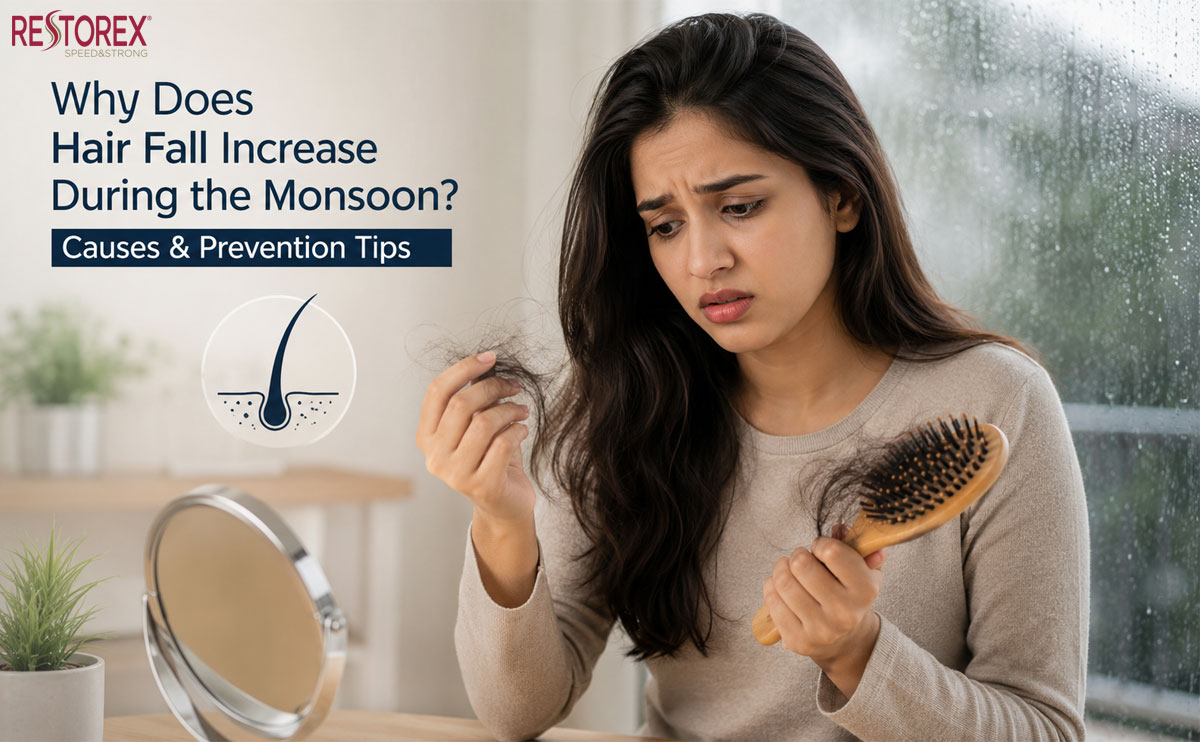
Why Does Hair Fall Increase During the Monsoon?
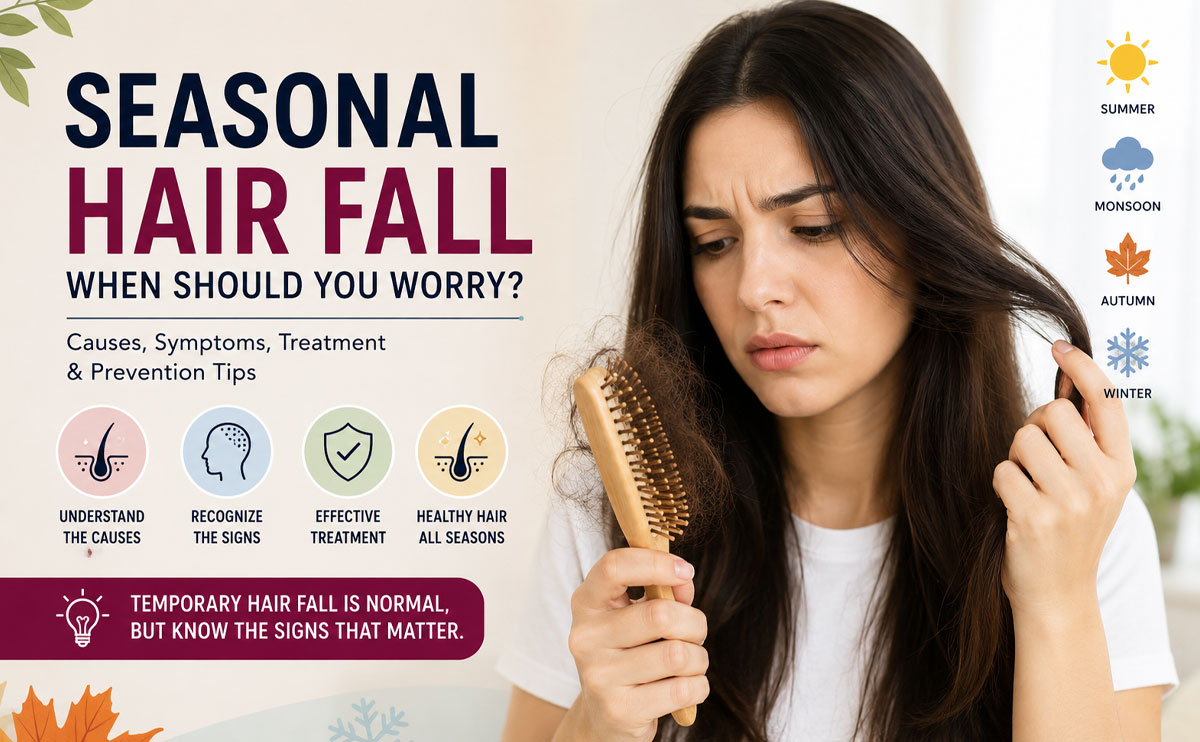
Have you noticed more hair strands on your pillow, comb, or shower drain during the rainy season? If yes, you’re not alone. Many people experience increased hair fall during the monsoon, making it one of the most common seasonal hair concerns.
The good news is that monsoon hair fall is usually temporary and often happens because of changes in weather, scalp conditions, and daily hair care habits. Understanding why it happens can help you protect your hair before the problem becomes serious.
In this guide, we’ll explain the real reasons behind monsoon hair fall, common symptoms, practical solutions, and simple ways to keep your hair healthy throughout the rainy season.
Is Hair Fall During the Monsoon Normal?
Yes. It is completely normal to notice slightly more hair shedding during the monsoon.
Every person naturally loses around 50–100 hairs each day as part of the normal hair growth cycle. During the rainy season, this shedding may appear more noticeable because several environmental factors affect the scalp and hair.
However, if you experience excessive hair loss for several weeks, bald patches, or thinning that continues after the season ends, it is best to consult a dermatologist.
The Real Reasons Behind Monsoon Hair Fall
Several factors work together during the rainy season to weaken the hair and scalp.
1. Increased Moisture Weakens Hair Roots
The rainy season brings more moisture into the air. Excess moisture can make hair absorb water from the environment, causing the hair shaft to swell and become weaker.
As a result:
- Hair becomes fragile
- Strands break more easily
- Hair sheds while combing or washing
2. Sweaty and Oily Scalp
Although the weather feels cooler, the scalp often produces more oil because of trapped sweat and moisture.
An oily scalp can:
- Block hair follicles
- Attract dirt and pollution
- Cause itching
- Create an unhealthy scalp environment
When the scalp isn’t clean, hair roots may become weaker over time.
3. Scalp infections during the rainy season
A damp scalp is an ideal place for fungi and bacteria to grow.
This may lead to:
- Dandruff
- Scalp irritation
- Itching
- Inflammation
An unhealthy scalp often contributes to increased hair shedding during the monsoon.
4. Rainwater Doesn’t Help Your Hair
Many people believe rainwater is good for hair.
In reality, rainwater can contain:
- Dust
- Air pollutants
- Environmental impurities
If rainwater stays on your scalp for a long time, it may irritate the scalp and make hair dry or rough.
5. Hair Becomes More Weak When Wet
Hair is at its weakest when wet.
During the monsoon, people often:
- Comb wet hair
- Tie wet hair tightly
- Rub hair aggressively with a towel
These habits increase hair breakage significantly.
6. Poor Scalp Hygiene
Wearing helmets, scarves, or caps for long periods during rainy weather can trap sweat and moisture.
Without proper scalp cleansing, this can result in:
- Oil buildup
- Dandruff
- Itchy scalp
- Weak hair follicles
7. Nutritional Deficiencies Become More Noticeable
Seasonal hair fall may appear worse if your body already lacks important nutrients such as:
- Protein
- Iron
- Zinc
- Biotin
- Vitamin D
Healthy hair starts from within, so nutrition plays an important role in maintaining strong hair throughout the year.
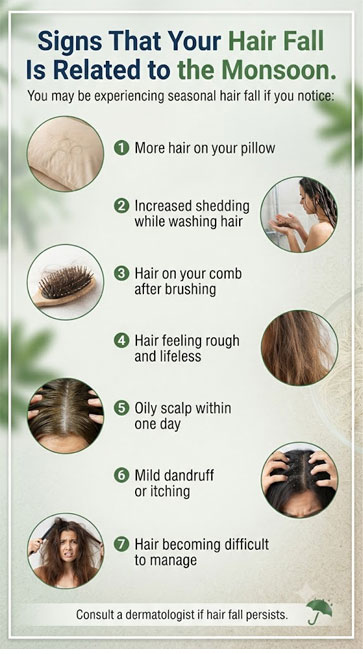
Signs That Your Hair Fall Is Related to the Monsoon
You may be experiencing seasonal hair fall if you notice:
- More hair on your pillow
- Increased shedding while washing hair
- Hair on your comb after brushing
- Hair feeling rough and lifeless
- Oily scalp within one day
- Mild dandruff or itching
- Hair becoming difficult to manage
How to Reduce Hair Fall During the Monsoon
Small changes in your hair care routine can make a noticeable difference.
Keep Your Scalp Clean
Wash your hair regularly using a gentle shampoo suitable for your scalp type.
A clean scalp removes:
- Sweat
- Excess oil
- Dirt
- Product buildup
This helps maintain healthier hair follicles.
Dry Your Hair Properly
If your hair gets wet from rain:
- Gently towel dry it
- Let it air dry completely
- Avoid tying hair while damp
Keeping the scalp dry reduces the risk of fungal growth.
Use a Nourishing Hair Oil
A lightweight nourishing hair oil helps improve hair softness and supports healthier-looking hair.
Massage the scalp gently 1–2 times a week to improve blood circulation and reduce dryness.
Condition Your Hair
Conditioning helps:
- Reduce frizz
- Improve softness
- Prevent tangles
- Reduce breakage
Focus on the mid-lengths and ends rather than the scalp.
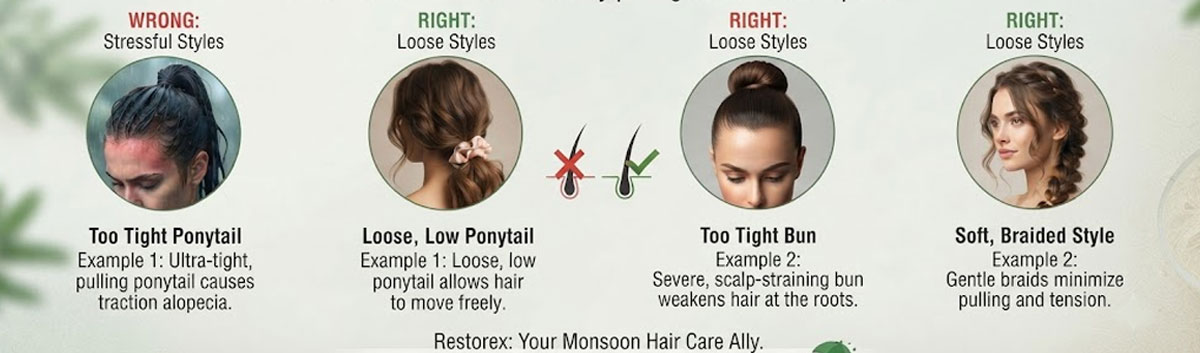
Avoid Tight Hairstyles
Very tight ponytails or buns place extra stress on already fragile hair.
Choose loose hairstyles during the rainy season to minimize unnecessary pulling.
Trim Split Ends Regularly
Damaged ends continue splitting upward, making hair look thinner.
Regular trimming helps maintain healthier-looking hair.
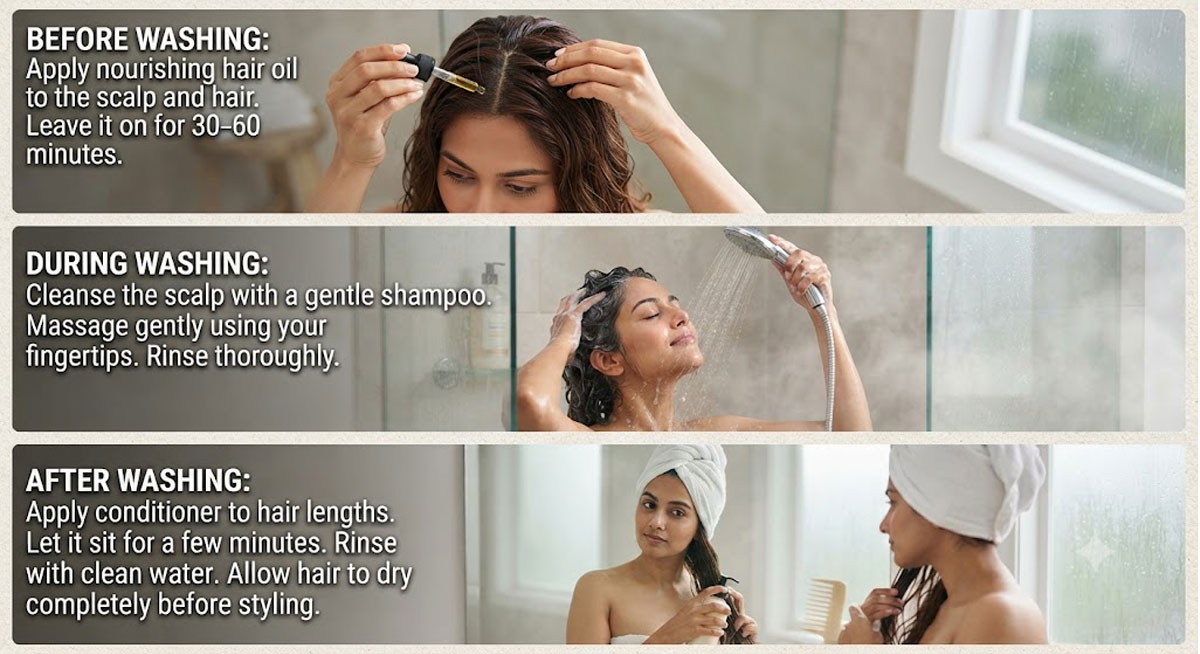
Best Hair Care Routine for the Monsoon
A simple routine can help keep your hair healthy throughout the rainy season.
Before Washing
- Apply nourishing hair oil to the scalp and hair.
- Leave it on for 30–60 minutes.
During Washing
- Cleanse the scalp with a gentle shampoo.
- Massage gently using your fingertips.
- Rinse thoroughly.
After Washing
- Apply conditioner to hair lengths.
- Let it sit for a few minutes.
- Rinse with clean water.
- Allow hair to dry completely before styling.
Can Restorex Hair Care Products Help?
If you’re looking for products to support healthier hair during the monsoon, Restorex offers hair care solutions designed to cleanse, nourish, and strengthen the appearance of hair.
Depending on your hair concern, you may consider:
Restorex Keratin & Argan Repair Shampoo
Suitable for:
- Dry hair
- Damaged hair
- Frizzy hair
- Weak hair strands
It helps cleanse while leaving hair smoother and more manageable.
Restorex Nourishing Care Shampoo
Ideal for:
- Daily scalp cleansing
- Removing excess oil
- Maintaining healthier-looking hair
Restorex Repairing Argan Oil
Helps:
- Improve softness
- Reduce dryness
- Add shine
- Support healthier-looking hair
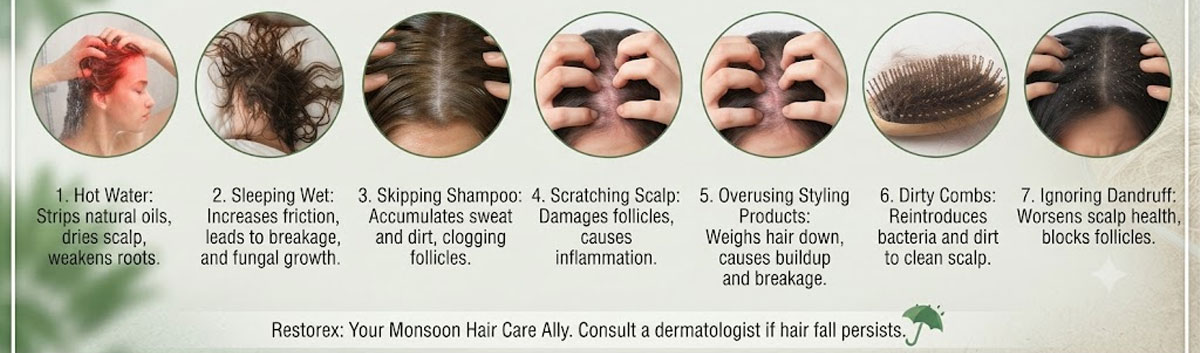
Common Mistakes That Can Make Monsoon Hair Fall Worse
Avoid these habits during the rainy season:
- Washing hair with very hot water
- Sleeping with wet hair
- Skipping shampoo for many days
- Scratching the scalp frequently
- Overusing chemical styling products
- Using dirty combs or brushes
- Ignoring persistent dandruff
FAQs
Does everyone experience more hair fall during the monsoon?
Not everyone, but many people notice increased seasonal hair shedding because of changes in scalp moisture, oil production, and weather conditions.
How long does monsoon hair fall last?
Seasonal hair fall usually improves after the rainy season if the scalp remains healthy and there are no underlying medical conditions.
Can dandruff cause more hair fall during the rainy season?
Yes. Dandruff can irritate the scalp, increase inflammation, and contribute to more hair shedding if left untreated.
Should I wash my hair after getting caught in the rain?
Yes. It’s a good idea to rinse or wash your hair after rain exposure to remove dirt, pollutants, and impurities that may have settled on the scalp.
Final Thoughts
Hair fall often becomes more noticeable during the monsoon because the rainy season creates conditions that can weaken hair and affect scalp health. Excess moisture, an oily scalp, fungal growth, wet hair handling, and poor scalp hygiene all play a role in seasonal shedding.
The good news is that monsoon hair fall is usually manageable with a consistent hair care routine. Keeping your scalp clean, drying your hair properly after rain exposure, using nourishing hair care products, and addressing scalp concerns early can help maintain stronger, healthier-looking hair throughout the season.
By understanding the real causes of seasonal hair fall and taking simple preventive steps, you can enjoy the rainy weather without worrying every time you see a few extra strands in your comb.